Those Black Streaks on Your Roof? Here's What They Are and How to Remove Them
The dark streaks on North Texas roofs aren't dirt — they're algae that quietly shortens shingle life. Learn what causes them and why soft washing is the safe way to remove them.
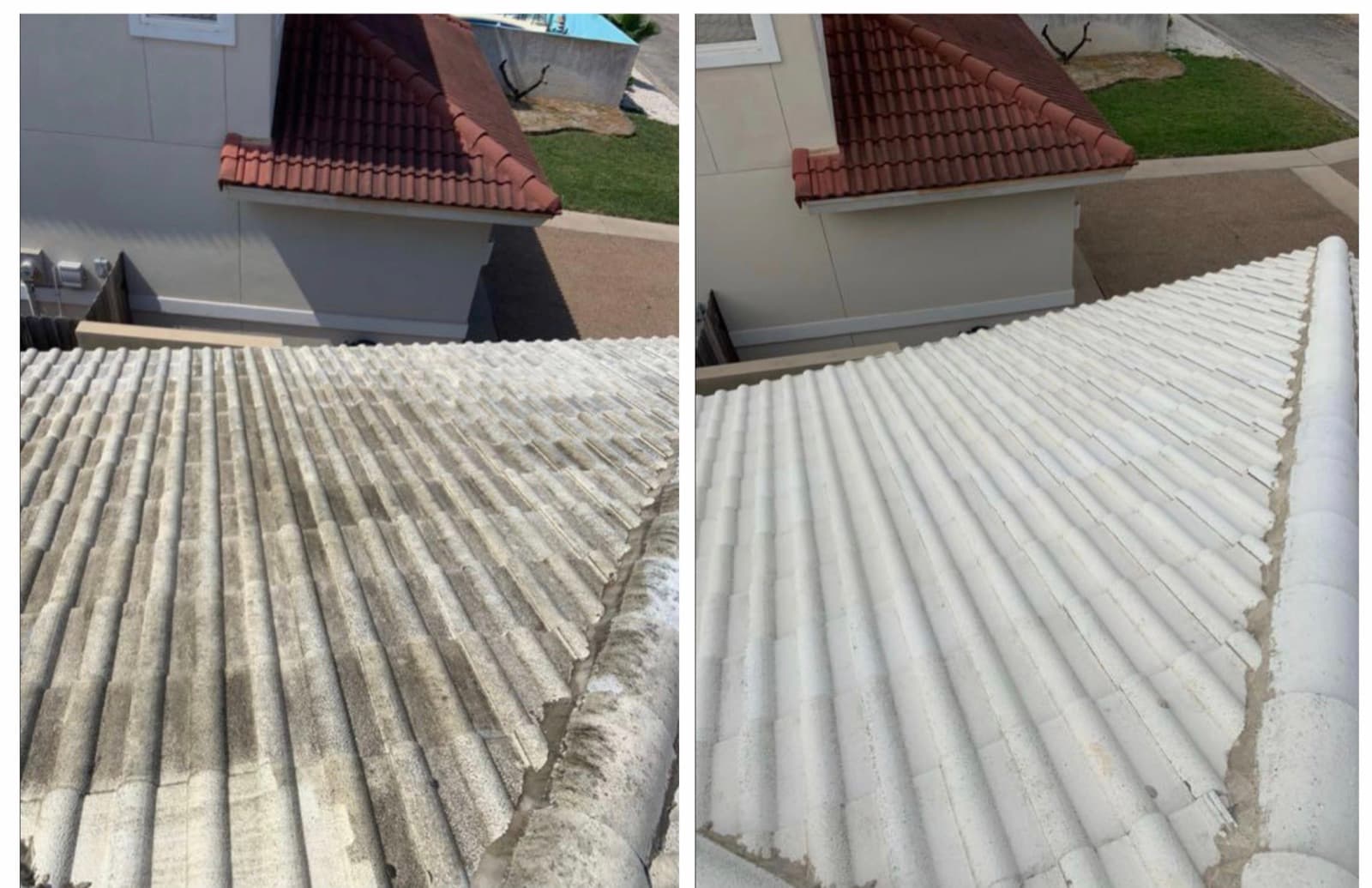
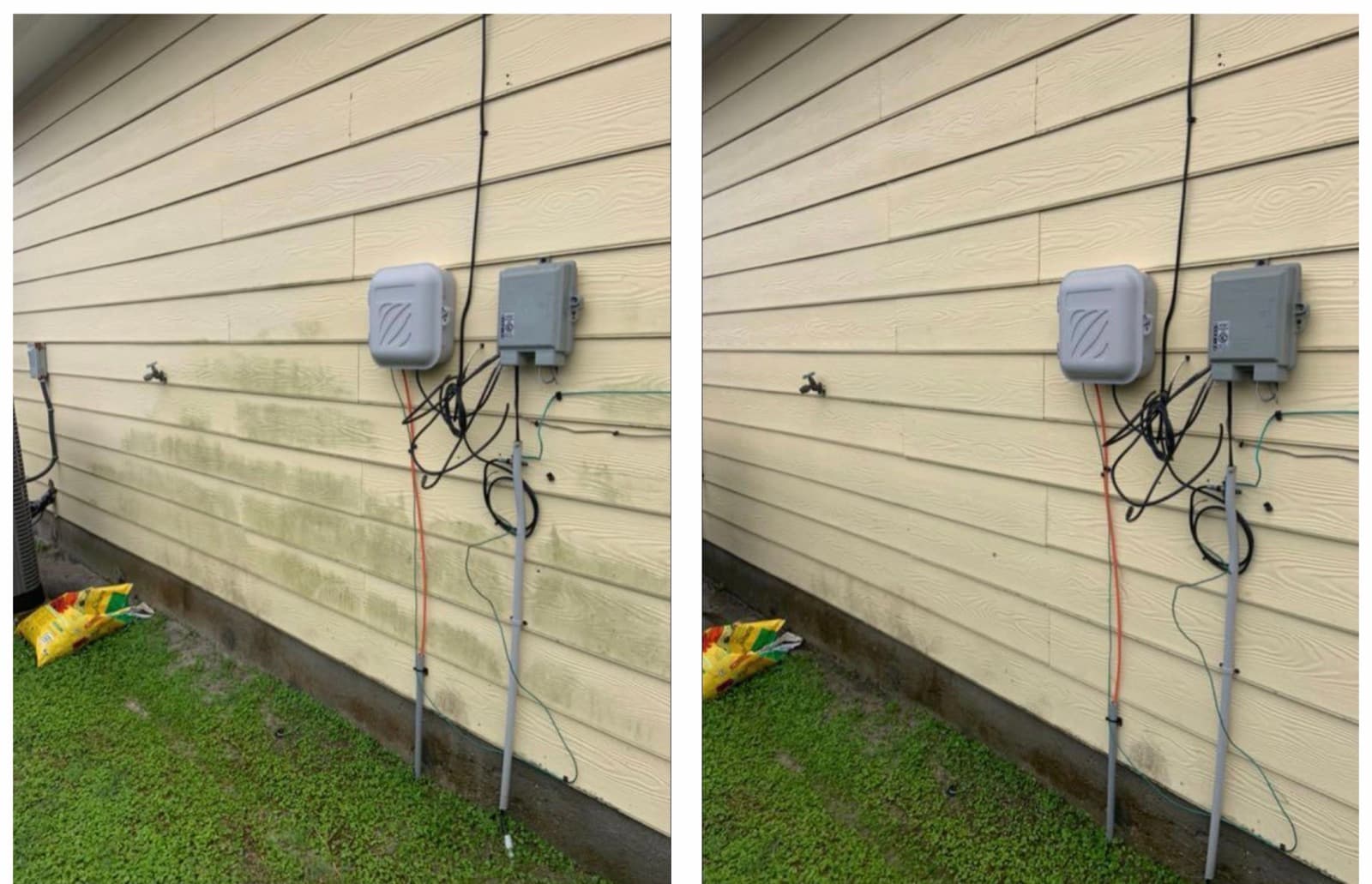
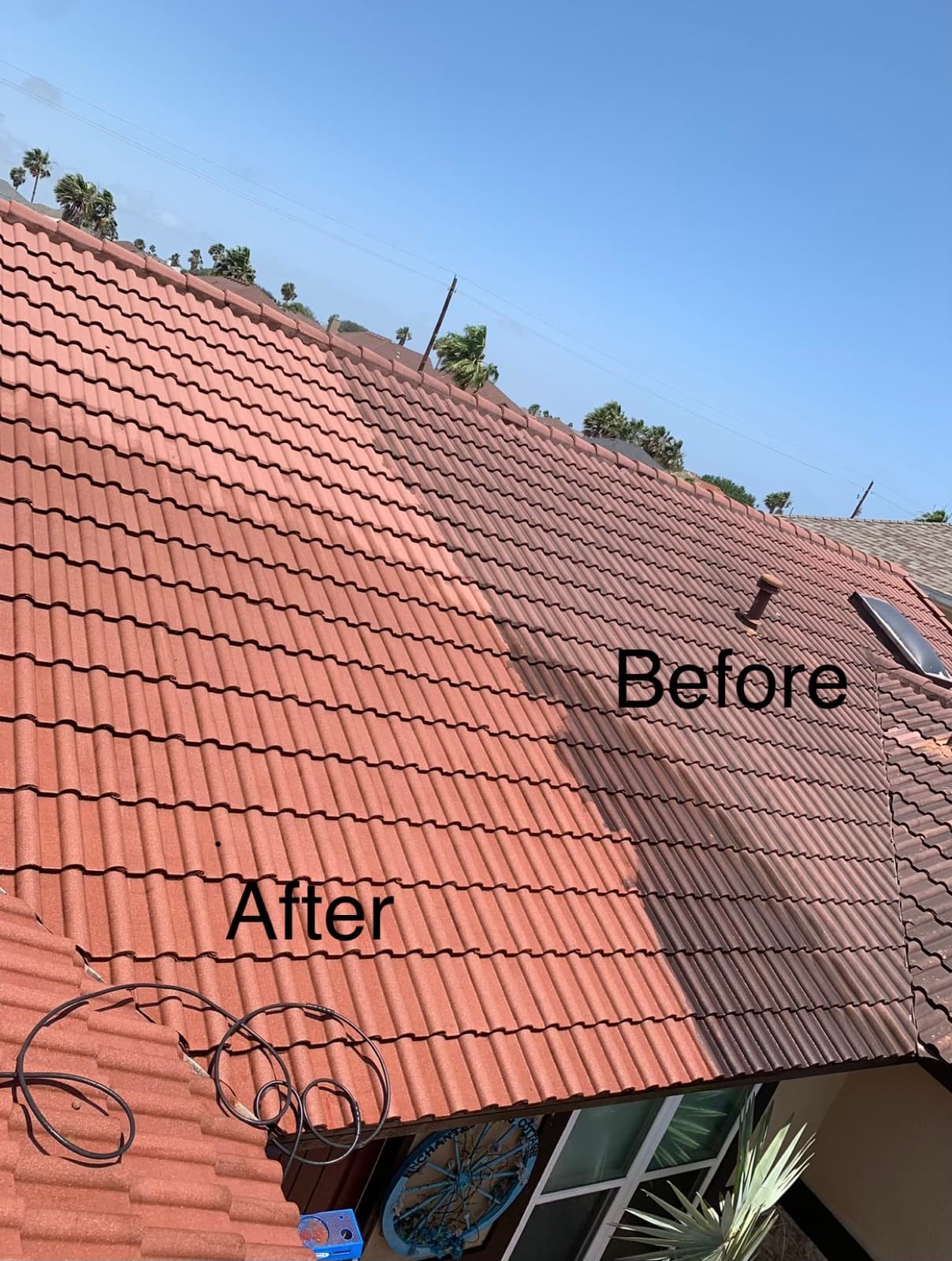
Take a drive through almost any established neighborhood in Dallas, Plano, or Fort Worth and you'll spot them: roofs with dark streaks running straight down the shingles, like something's been dripping from the ridge. Most people assume it's dirt, soot, or just "old roof." It's none of those. It's alive — and the good news is it comes off.
What those streaks actually are
The black streaking is a type of blue-green algae called Gloeocapsa magma. It feeds on the limestone filler in asphalt shingles and thrives in exactly the conditions North Texas serves up half the year: heat, humidity, and morning dew that lingers on the shaded slopes of your roof.
It usually shows up first on the north- and east-facing sides — the slopes that get the least direct sun and stay damp the longest. The algae forms a dark mat, and as it grows it streaks downward with the runoff. That's why the stains always seem to "drip" from the top down.
Why it's more than a cosmetic problem
It's tempting to ignore something that's "just" on the roof and not bothering anyone. But roof algae does real, measurable harm:
- It holds moisture against your shingles. Constant dampness accelerates aging and can lead to rot in the decking underneath.
- It eats the protective granules. Those granules are what shield your shingles from UV. As the algae degrades them, the shingles get brittle and fail sooner.
- It raises your cooling bill. A black-streaked roof absorbs more heat. In a Texas summer, that's heat radiating straight into your attic and AC system.
- It spreads. Algae doesn't stay put. Left alone, it colonizes more of the roof every season.
Industry studies have linked untreated algae growth to a meaningfully shorter roof lifespan. When a roof replacement runs into five figures, protecting the one you have is just good math.
Why you should never pressure wash a roof
This is the part we can't stress enough. The instinct is to grab a pressure washer and blast the streaks off. Do not do this.
High pressure strips the granules right off your shingles — the same granules the algae was already damaging. You'd be trading a slow problem for instant, irreversible damage, and you'd almost certainly void your shingle warranty in the process. On tile roofs, high pressure forces water under the tiles and can crack them outright.
Walking a wet, algae-slick roof is also genuinely dangerous. This is not a DIY Saturday project.
The right way: low-pressure soft washing
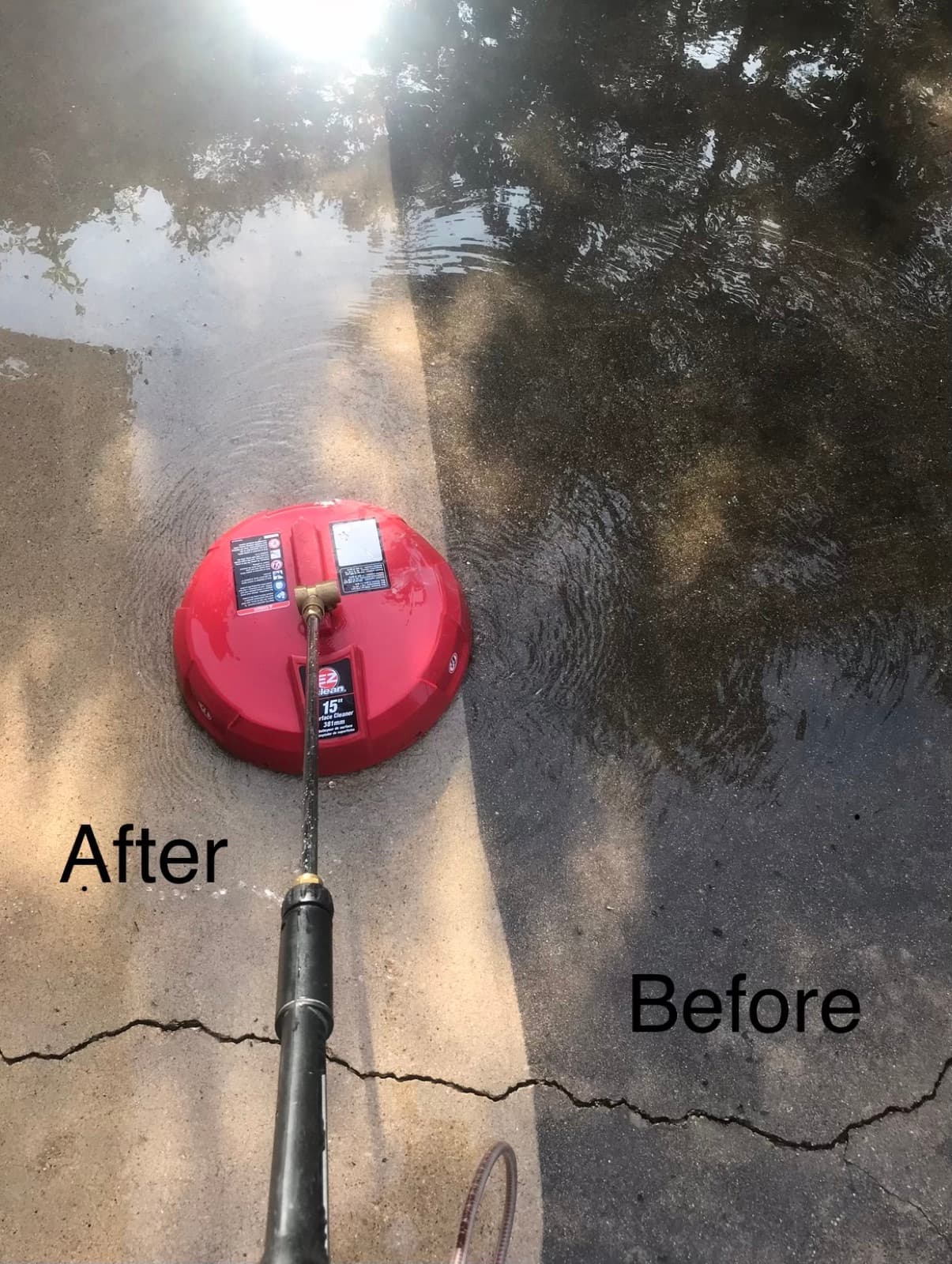
The correct method — and the one roofing manufacturers actually endorse — is soft washing. Here's how it works:
- We apply a specialized cleaning solution designed to kill the algae, mold, and mildew at the root.
- The solution does the work, breaking down the organic growth without any harsh scrubbing or blasting.
- Everything rinses away under low pressure, leaving the shingles intact and the granules where they belong.
Because soft washing kills the algae rather than just knocking the surface layer off, the results last. You're not back to streaky in three months — you're clear for years.
How long does it take to see results?
Often immediately. On many roofs the streaks lift during the wash itself. On heavier growth, the treated algae continues to break down and rinse away with the next few rains, and the roof keeps getting cleaner over the following days. Either way, you're left with a roof that looks years younger.
Gutters get the same treatment
While we're up there, those dark vertical stains on the front of your gutters — "tiger stripes" — are a related buildup of oxidation and grime. A gutter brightening treatment clears those at the same time, so the whole roofline looks finished instead of half-done.
How to keep it from coming back
- Trim back overhanging branches to let more sun hit the shaded slopes
- Keep gutters clear so water drains instead of pooling
- Schedule a soft wash every 2–3 years before the algae re-establishes
The takeaway
Black streaks aren't a sign your roof is failing — they're a sign it has algae, and algae is very treatable. The key is treating it the right way: low-pressure soft washing that clears the growth without harming the shingles. Done on a sensible schedule, it protects one of the most expensive parts of your home and keeps it looking its best.
If your roof's got the streaks, send us a photo or have us take a look. We'll tell you honestly whether it needs a wash now or can wait — no upsell.
Need this done right?
Summit Surface Solutions serves Dallas–Fort Worth, Texas with insured, method-smart exterior cleaning. Free quotes, guaranteed results.