Fence & Deck Washing: Restoring Wood and Composite Without Damage
Bring your weathered fence and deck back to life. Learn how to safely clean cedar, pressure-treated wood, and composite in DFW without gouging or splintering the surface.
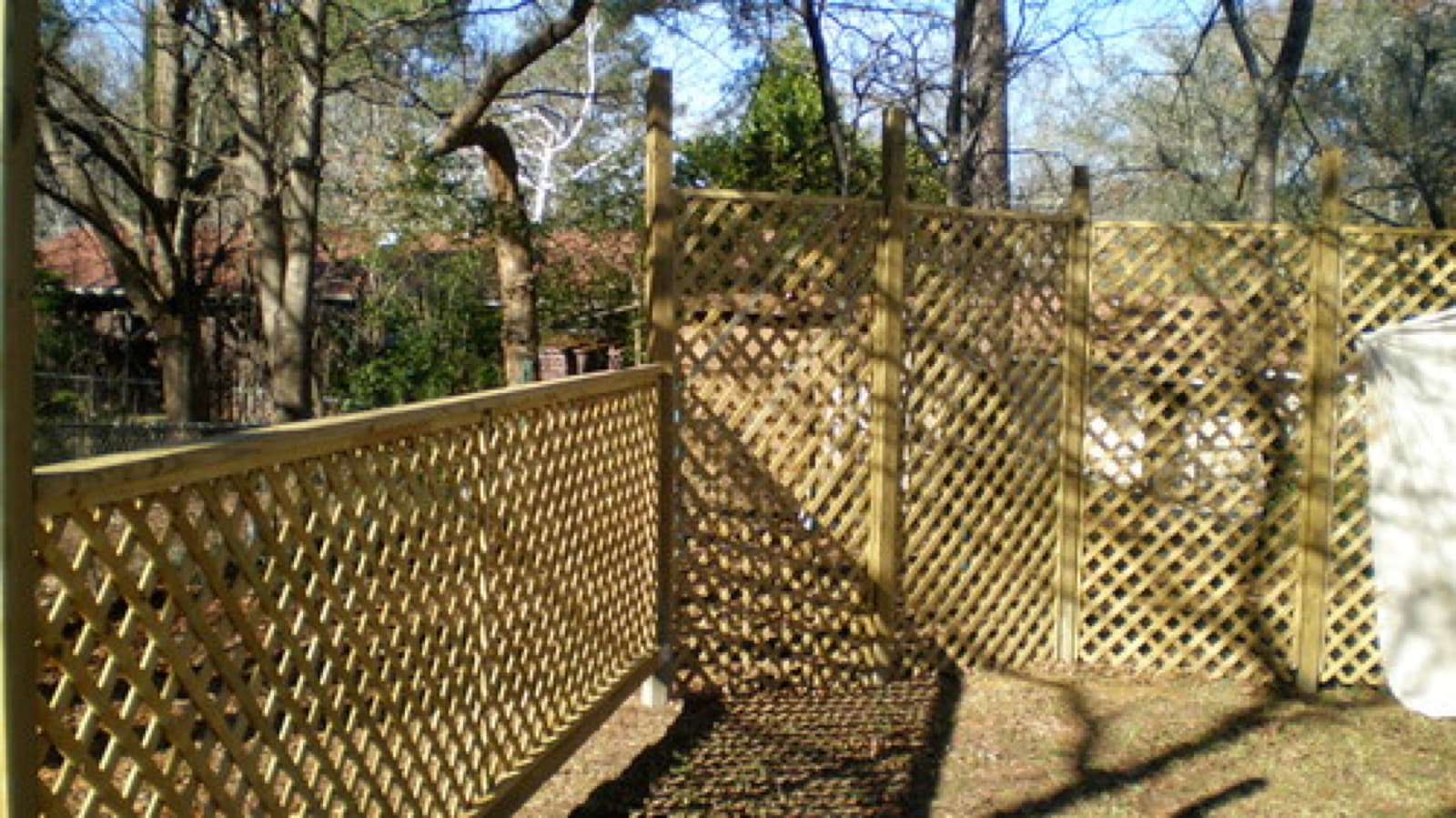
A weathered fence or graying deck is one of those things you stop seeing after a while — until a good cleaning reveals the warm wood that was hiding under years of grime. The catch is that wood and composite are easy to damage, and a careless cleaning can leave your fence looking worse than when you started.
Here's how to clean fences and decks the right way in North Texas, what separates a restoration from a wrecking job, and how to time it if you're planning to stain or seal afterward.
Why DFW Is Hard on Fences and Decks
North Texas weather puts wood through a wear cycle. Brutal summer UV dries and grays the surface, then humidity and shade feed algae and mildew, and our clay-soil environment splashes red dust up the bottom rails every time it rains. Add pollen season and overhanging oak trees, and a cedar fence in Plano or McKinney can look a decade old in just a few years.
What's actually building up on your wood:
- Gray UV-oxidized surface layer that dulls the natural color
- Green algae and black mildew on shaded, north-facing sections
- Red clay splash and dirt along the lower boards and posts
- Pollen and tree debris ground into the grain
- Tannin bleed and leaf staining under trees
The Number-One Rule: Pressure Can Destroy Wood
This is the most important thing to understand. A pressure washer in the wrong hands will gouge, furr, and splinter wood in seconds. Cedar and pine are soft. Too much PSI, or holding the wand too close, etches the grain, raises a fuzzy splintered surface, and leaves permanent wand marks. We've all seen the fence with the wavy stripes burned into it — that's pressure damage, and it doesn't come out.
That's why the right approach for wood is almost always soft washing: low pressure paired with a cleaning solution that lifts the gray, kills the algae and mildew at the root, and brightens the wood without tearing it up. The solution does the work; the water just rinses. The result is clean wood with its grain and integrity intact — not a fuzzy, chewed-up surface.
When light pressure is used at all, it's kept low and even, well within what the wood can handle, and never the high-PSI blasting people picture when they hear pressure washing.
Composite Decks Have Their Own Rules
Composite and PVC decking (Trex and similar) are popular across newer Frisco and Prosper builds, and people assume they're maintenance-free. They're not. Composite still grows mold and mildew in its texture, especially in shade, and it still collects pollen and grime.
Composite needs soft washing too — and here the stakes are different. High pressure on composite can permanently mar the embossed grain pattern and void the manufacturer's warranty. So the rule holds: gentle pressure, the right cleaning solution, and patience. Done correctly, a composite deck cleans up beautifully and the mildew stays gone because it's been killed, not just rinsed.
| Surface | Method | Watch Out For |
|---|---|---|
| Cedar / pine fence | Soft washing, low pressure | Furring, gouging, wand stripes |
| Pressure-treated wood deck | Soft washing | Raised grain, splintering |
| Composite / PVC decking | Soft washing only | Marred grain, voided warranty |
| Stone or concrete deck base | Pressure washing OK | Match method to that material |
Timing It Around Staining or Sealing
If your plan is to stain or seal the wood afterward — smart move in our climate, since it protects against UV and moisture — cleaning is a required first step, not an optional one. Stain will not bond properly over algae, gray oxidation, or grime. It'll go on blotchy and peel early.
The sequence that works:
- Soft wash the wood to strip the gray layer, algae, and dirt
- Let it dry fully — typically a couple of days of dry DFW weather, longer if it's humid
- Stain or seal onto the clean, dry, bright surface
Cleaning and then giving the wood real drying time is the difference between a stain job that lasts years and one that fails in a season.
How Often to Clean
For most DFW homes, cleaning a fence or deck every one to two years keeps it ahead of the gray and the algae. Shaded, north-facing fences and decks under heavy tree cover may want it annually. If you're on a stain-and-seal cycle, you'll clean each time you re-coat.
Common Mistakes
- Renting a pressure washer and free-handing it. The fastest route to permanent stripe marks and splintered wood.
- Staining over a dirty or damp surface. The stain won't adhere and will fail early.
- Assuming composite is self-cleaning. It grows mildew like anything else and needs a gentle wash.
- Using the same high pressure everywhere. Concrete can take it; your cedar fence cannot.
Let's Bring Your Wood Back to Life
If your fence has gone gray or your deck is looking tired, Summit Surface Solutions can restore it safely — the right low-pressure method for wood and composite, with results that last. We serve homeowners across the DFW metroplex and we're happy to advise on timing if you're planning to stain afterward. Reach out anytime for a free, no-pressure quote, and we'll help you get that warm, clean wood back.
Need this done right?
Summit Surface Solutions serves Dallas–Fort Worth, Texas with insured, method-smart exterior cleaning. Free quotes, guaranteed results.