How to Get Oil, Rust, and Red Texas Clay Off Your Concrete Driveway
Oil drips, sprinkler rust, and red clay are the three stains that wreck North Texas driveways. Here's what works, what doesn't, and when it's time to call in a surface cleaner.
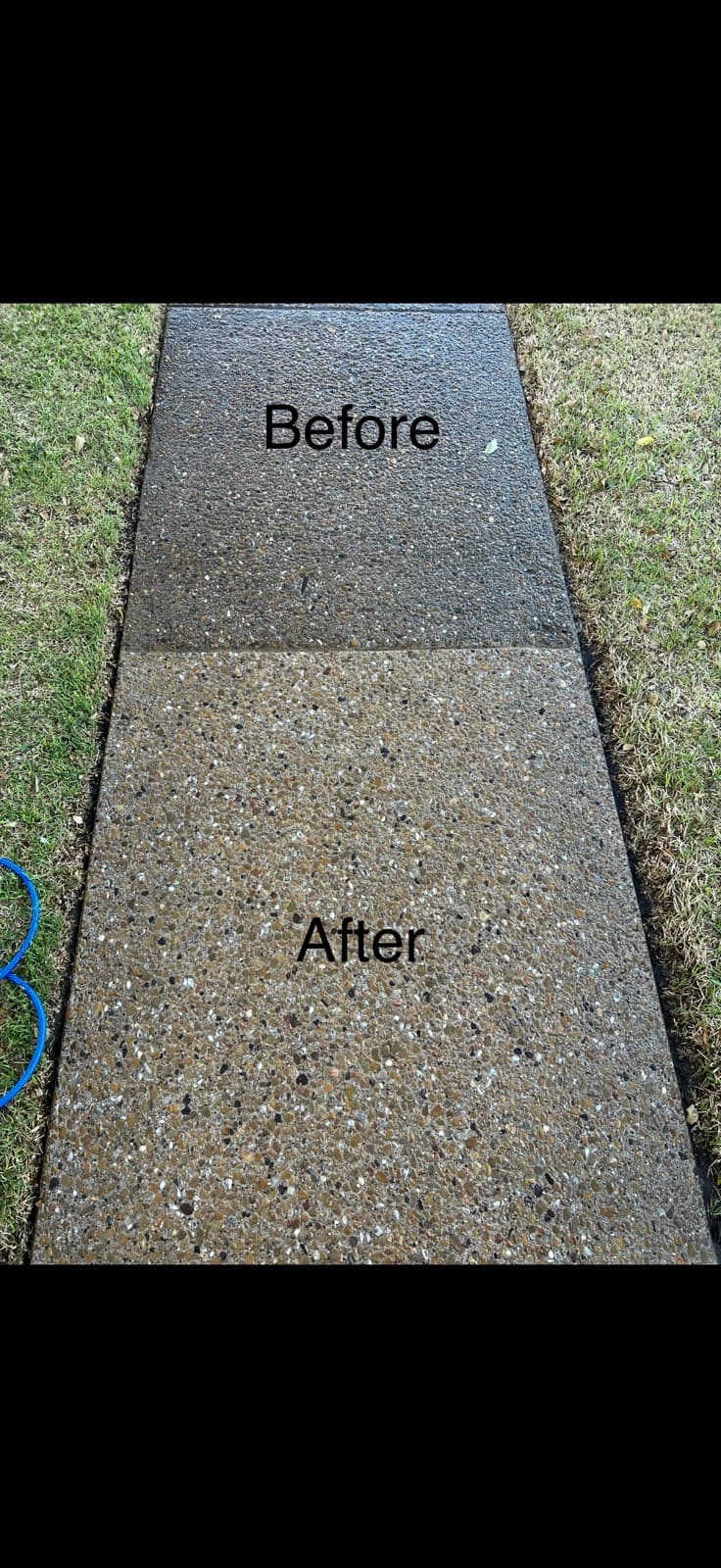
Concrete looks tough, but it's actually a sponge. It's full of tiny pores, and anything that sits on it long enough soaks in. In North Texas, three stains show up on driveways more than any others: motor oil, sprinkler rust, and that stubborn red clay we've all got in our yards. Each one needs a different approach. Here's how to handle all three.
1. Oil and grease stains
The classic. A parked car leaves drips, the lawnmower leaks, someone changes their oil — and you're left with a dark blotch right in the middle of the driveway.
What works:
- Act fast on fresh spills. Blot (don't wipe — wiping spreads it) and cover the spot with an absorbent like cat litter or baking soda. Let it sit overnight to pull oil out of the pores, then sweep it up.
- A degreaser for what's left. A dedicated concrete degreaser applied and scrubbed in breaks down the oil that's already soaked in.
- Hot water and a surface cleaner. This is where the pros pull ahead. A pressure washer fitted with a flat surface cleaner — that round disc that spins jets across the concrete evenly — combined with the right degreaser lifts oil that home methods leave behind, and does it without the zebra stripes a handheld wand leaves.
What doesn't work: dish soap and a garden hose on an old stain. It'll fade it slightly and convince you it's gone, but the oil's still down in the pores and the shadow comes back.
2. Rust stains
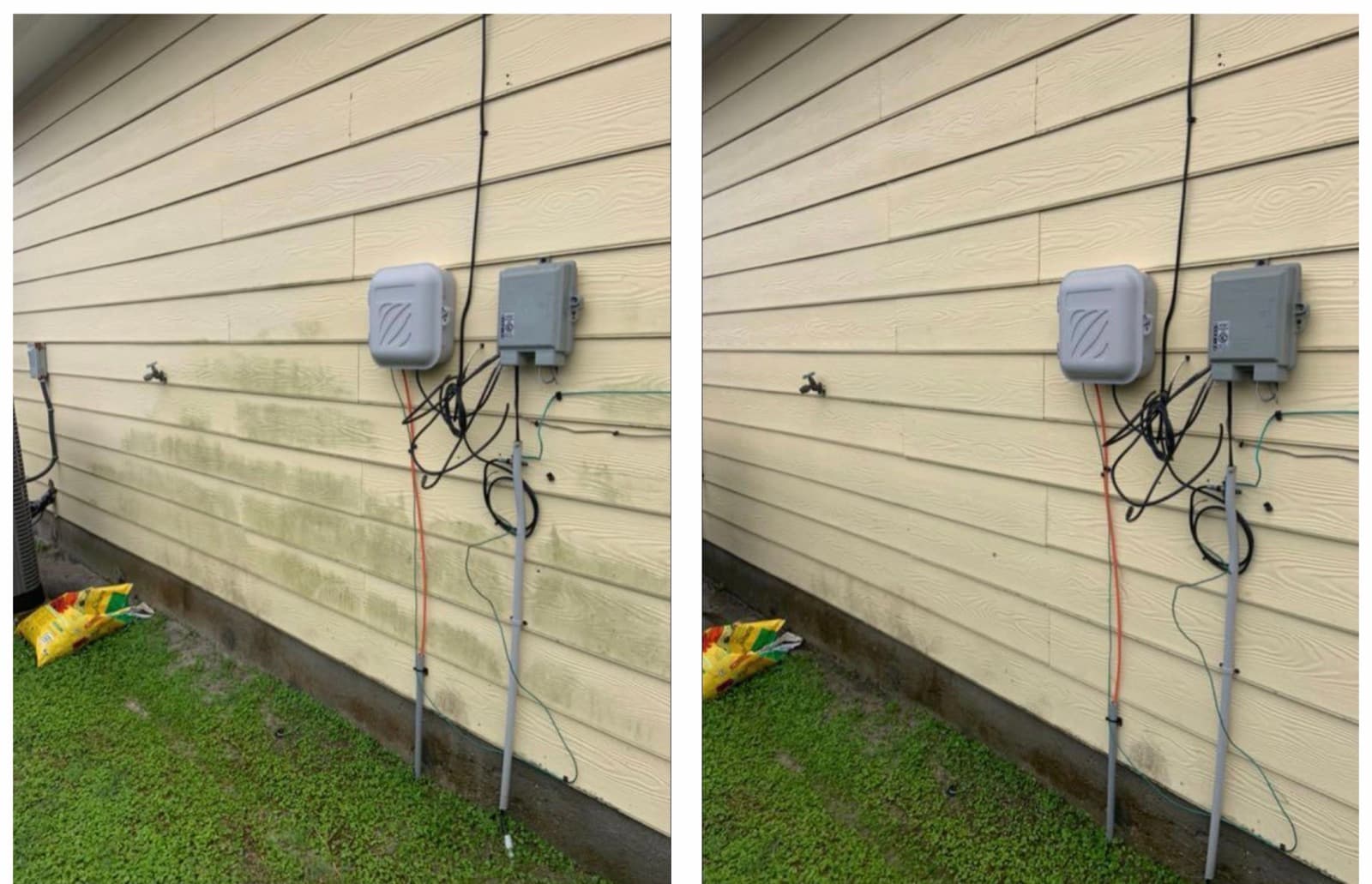
Rust is the sneaky one. In our area it usually comes from two places: sprinkler heads spraying iron-rich well or city water across the concrete day after day, and metal furniture or planters left sitting in one spot. You end up with orange-brown stains that a normal wash won't touch — because rust isn't dirt, it's a chemical bond with the concrete.
What works:
- A rust-specific remover. Rust needs an acidic or oxalic-acid-based treatment formulated for concrete. General-purpose cleaners and pressure alone won't break the bond.
- Treat, dwell, then rinse. The product needs time to chemically convert the rust before it's washed away. Skipping the dwell time is why DIY attempts fizzle.
- Fix the source. If a sprinkler head is the culprit, adjust or shield it — otherwise the stain just comes back.
What doesn't work: blasting harder. More pressure doesn't remove rust; it just etches the concrete around it and makes things worse.
3. Red Texas clay
If you've got kids, dogs, or a flower bed, you've got red clay tracked across your concrete. It's iron-rich, which is exactly why it stains — it behaves a little like rust once it sets in. Fresh, it rinses off. Set-in and baked by the sun, it digs in.
What works:
- Rinse it before it dries and sets whenever you can.
- For set-in clay, a proper wash with the right cleaner. Because the staining is iron-based, stubborn spots sometimes respond to the same family of treatments used on rust.
- A surface cleaner for even results across the whole slab, so you don't end up with clean patches next to stained ones.
Why "even" matters as much as "clean"
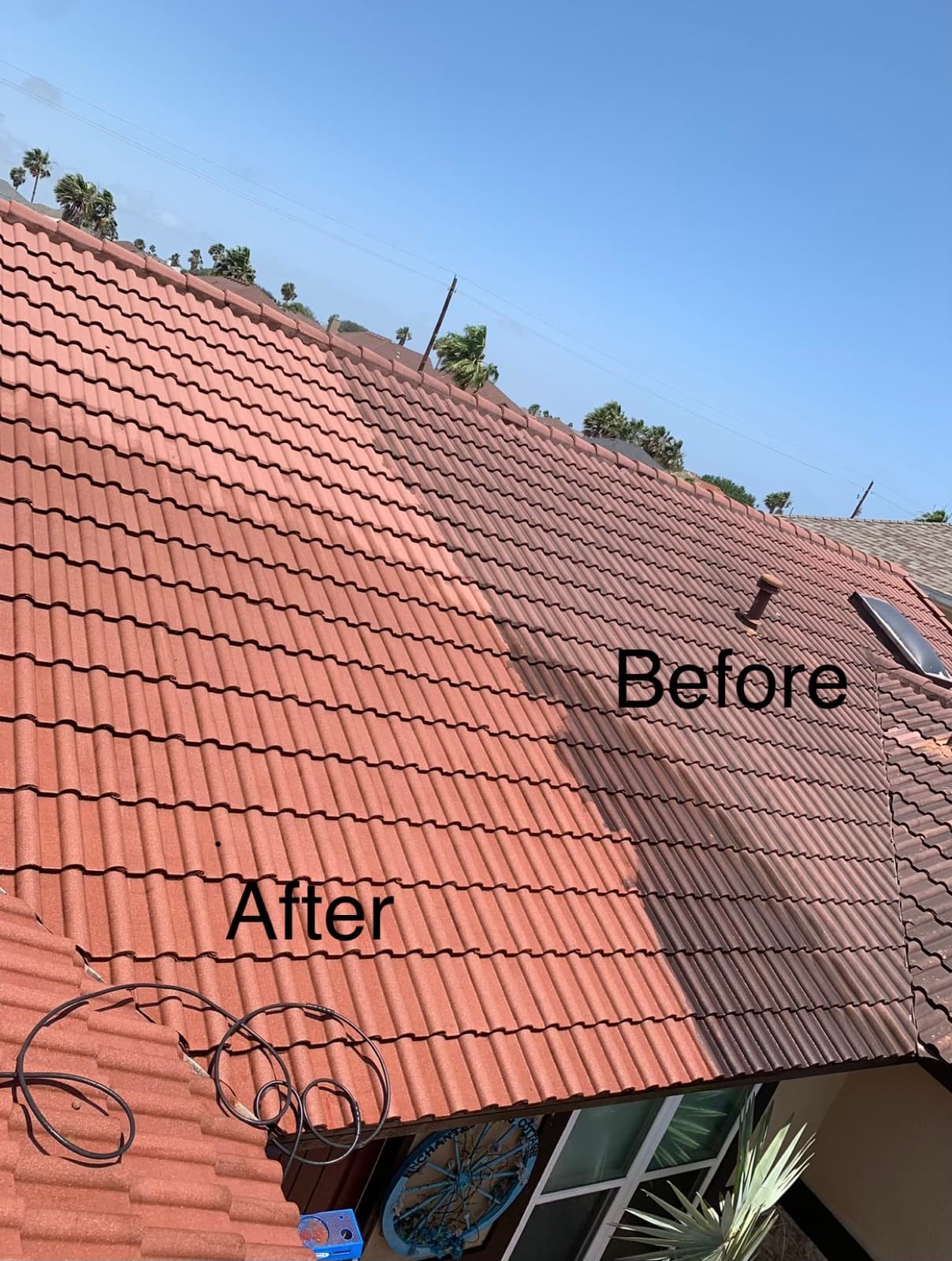
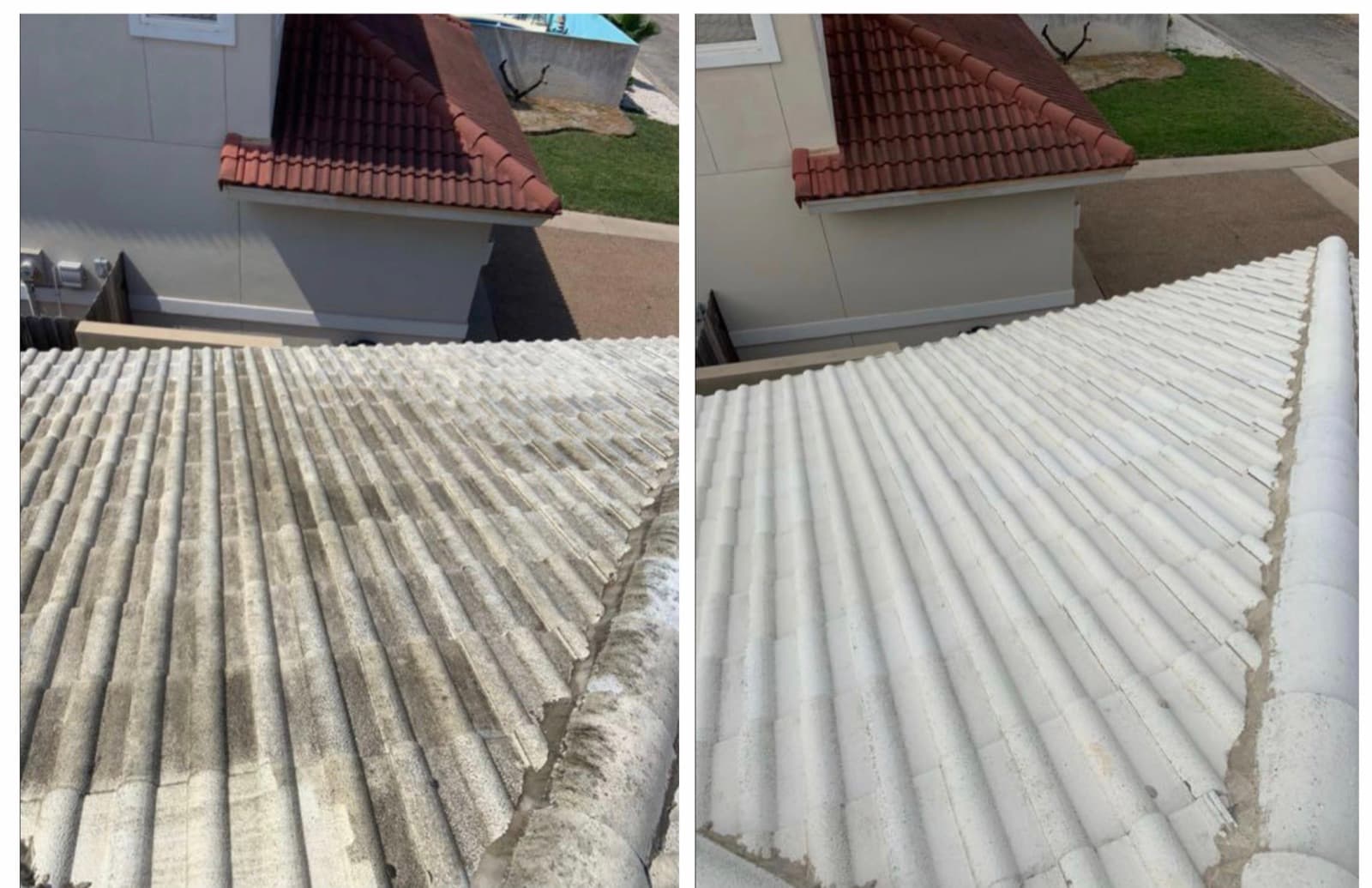
Here's something people don't expect: the hardest part of cleaning concrete isn't getting it clean — it's getting it clean evenly. A handheld pressure wand leaves arcs, stripes, and a blotchy "clean here, dirty there" pattern that can look almost worse than before you started.
That spinning surface cleaner exists specifically to solve this. It holds a consistent distance and pressure across the whole slab, so the result is one uniform, restored surface instead of a patchwork. It's the single biggest difference between a DIY rental job and a professional finish.
When to just call a pro
Honestly, for a single small oil drip, a bag of cat litter and a degreaser will get you most of the way there. But if you're dealing with:
- Years of built-up grime across the whole driveway
- Rust that won't budge
- Set-in red clay
- A driveway you want to look uniformly restored, not patchy
…that's where a professional surface cleaner, the right cleaning solutions, and a bit of experience pay for themselves. The result is a driveway that looks like it was just poured — no stripes, no missed spots, no shadow where the stain used to be.
Keeping it clean longer
- Wipe up oil and fluid drips as soon as you spot them
- Keep sprinklers aimed at the grass, not the concrete
- Hose off red clay before it bakes in the sun
- Consider a concrete sealer after a deep clean — it fills the pores so future stains sit on top instead of soaking in
A clean driveway is the fastest curb-appeal upgrade there is. If yours has stains you've given up on, there's a good chance they're not as permanent as you think. We're glad to take a look and tell you what'll come up.
Need this done right?
Summit Surface Solutions serves Dallas–Fort Worth, Texas with insured, method-smart exterior cleaning. Free quotes, guaranteed results.